
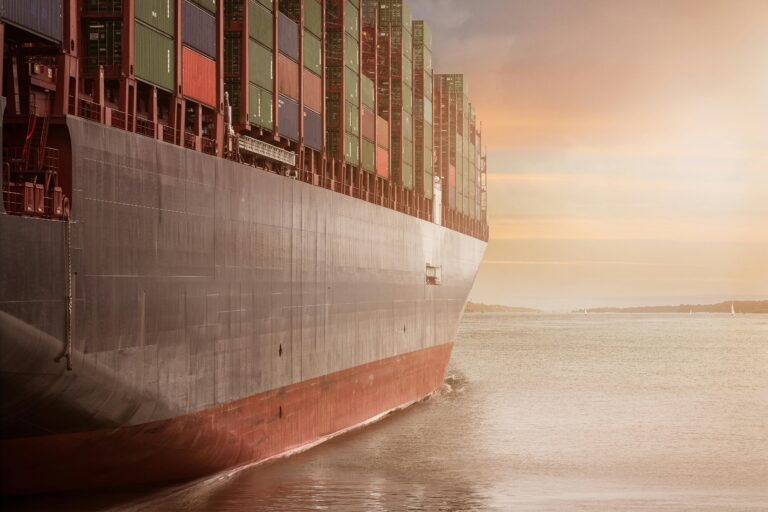
This initial stage focuses on developing a broad concept for the vessel, defining its purpose, size, and basic characteristics based on the owner's requirements.
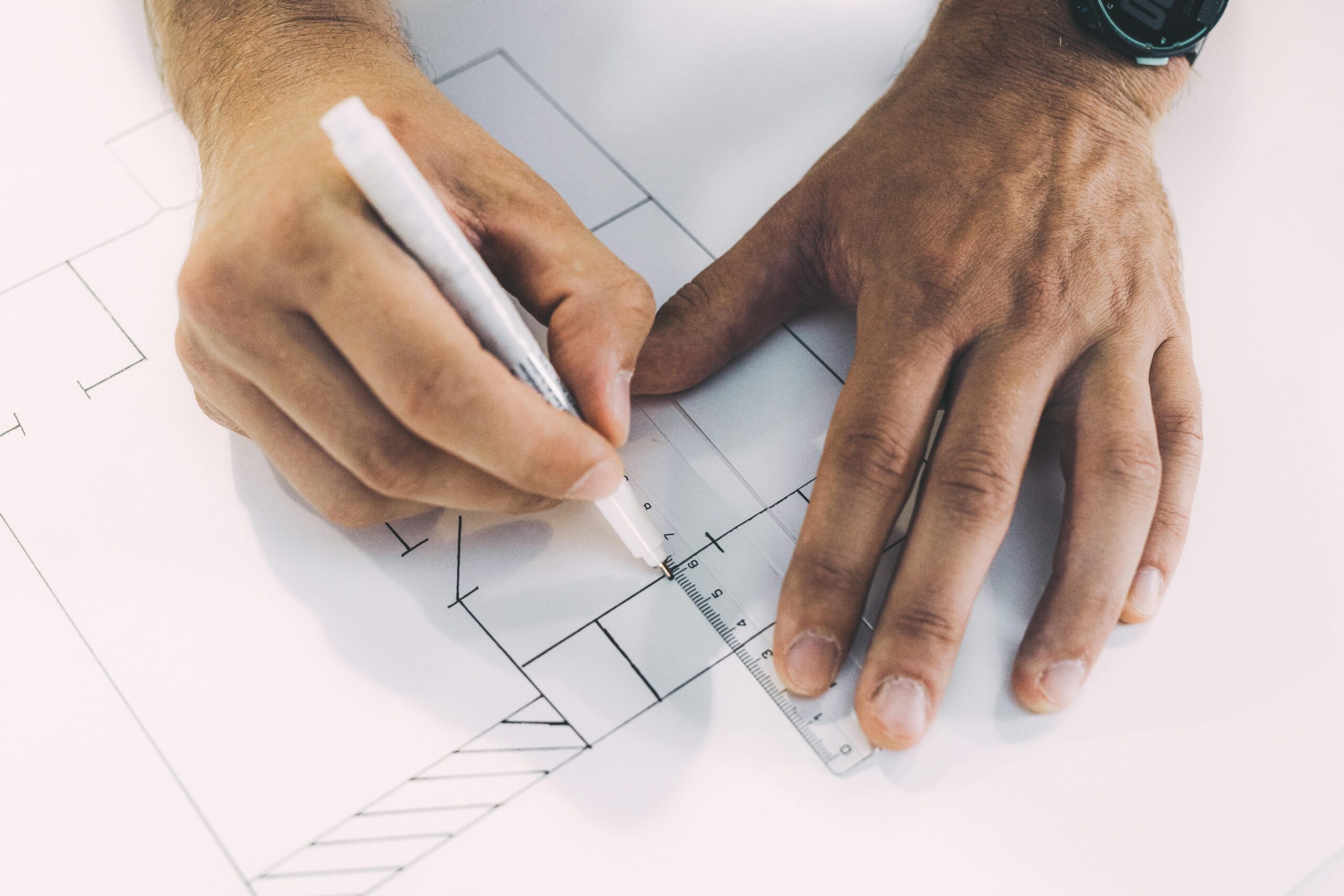
Concept Design
This stage builds on the concept design, creating detailed drawings and specifications for the ship's structure, propulsion system, and equipment.
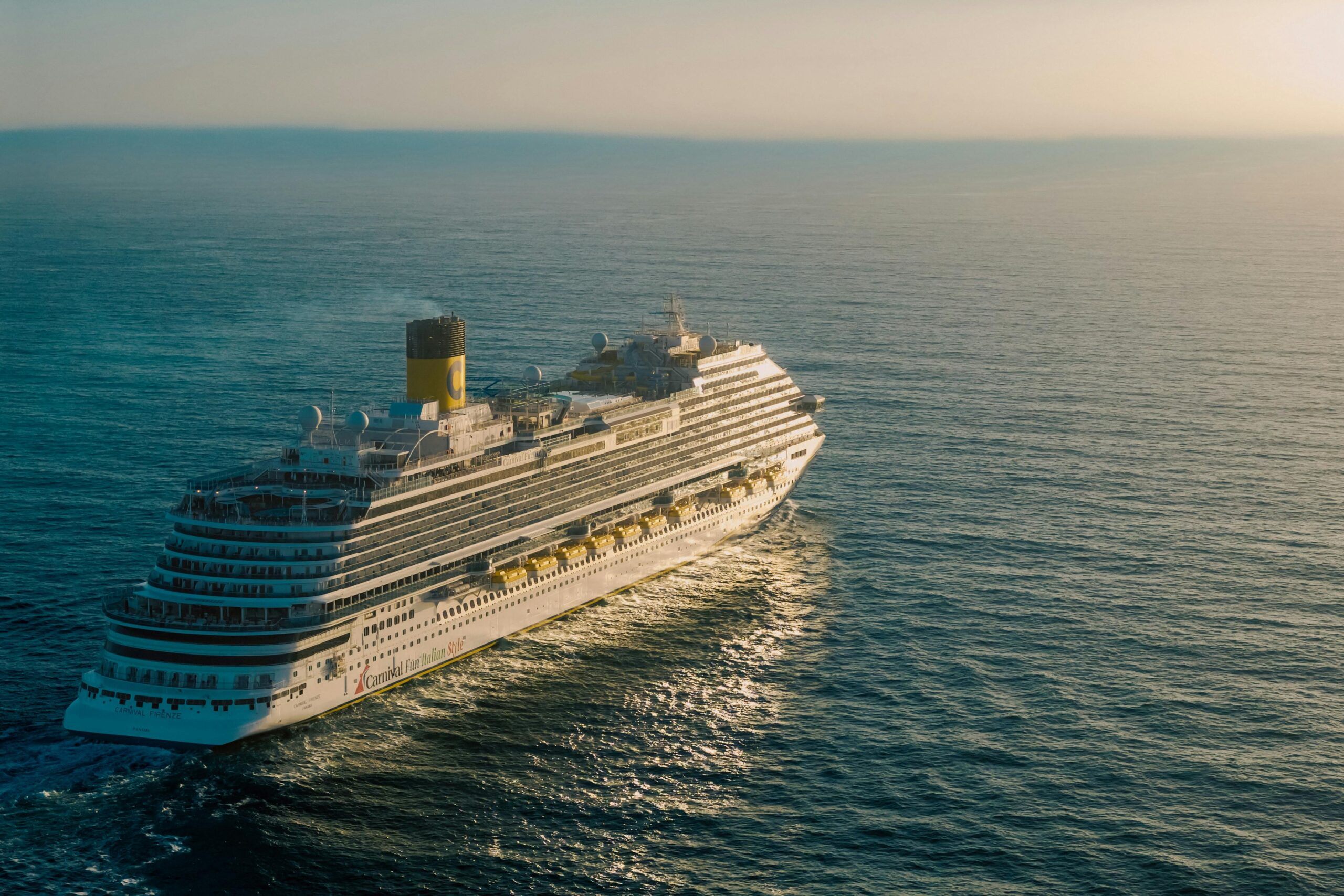
Basic Design
This stage involves developing detailed plans and specifications to enable the shipyard to calculate the vessel's cost and finalize the construction contract.

Contract Design
This final stage includes all the drawings, documents, and calculations needed for the ship's construction, which are reviewed and approved by the relevant authorities and the shipowner.

Technical Design
The shape of the hull is crucial for hydrodynamic performance, influencing speed, fuel efficiency, and seakeeping ability.
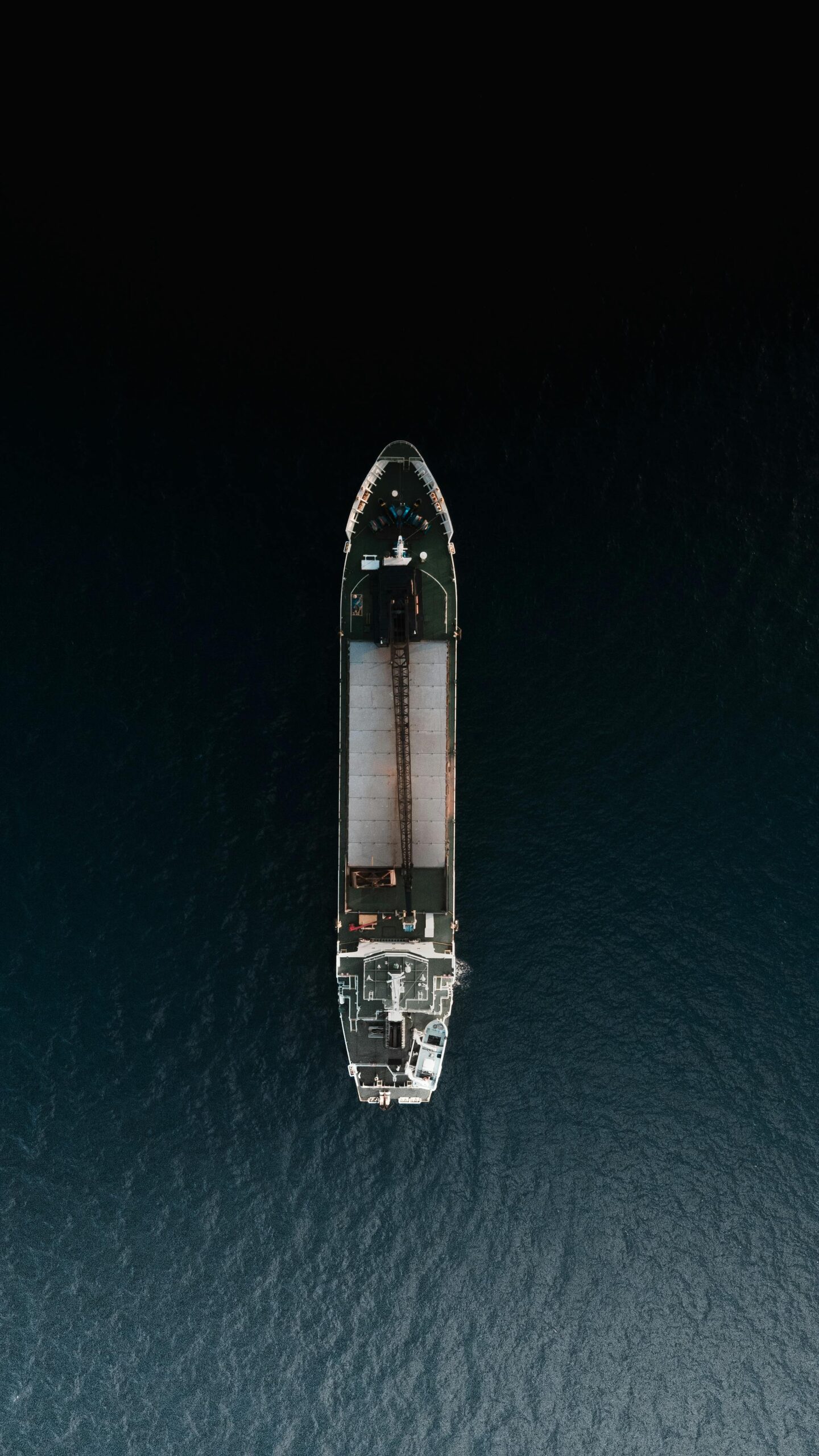
Hull Form
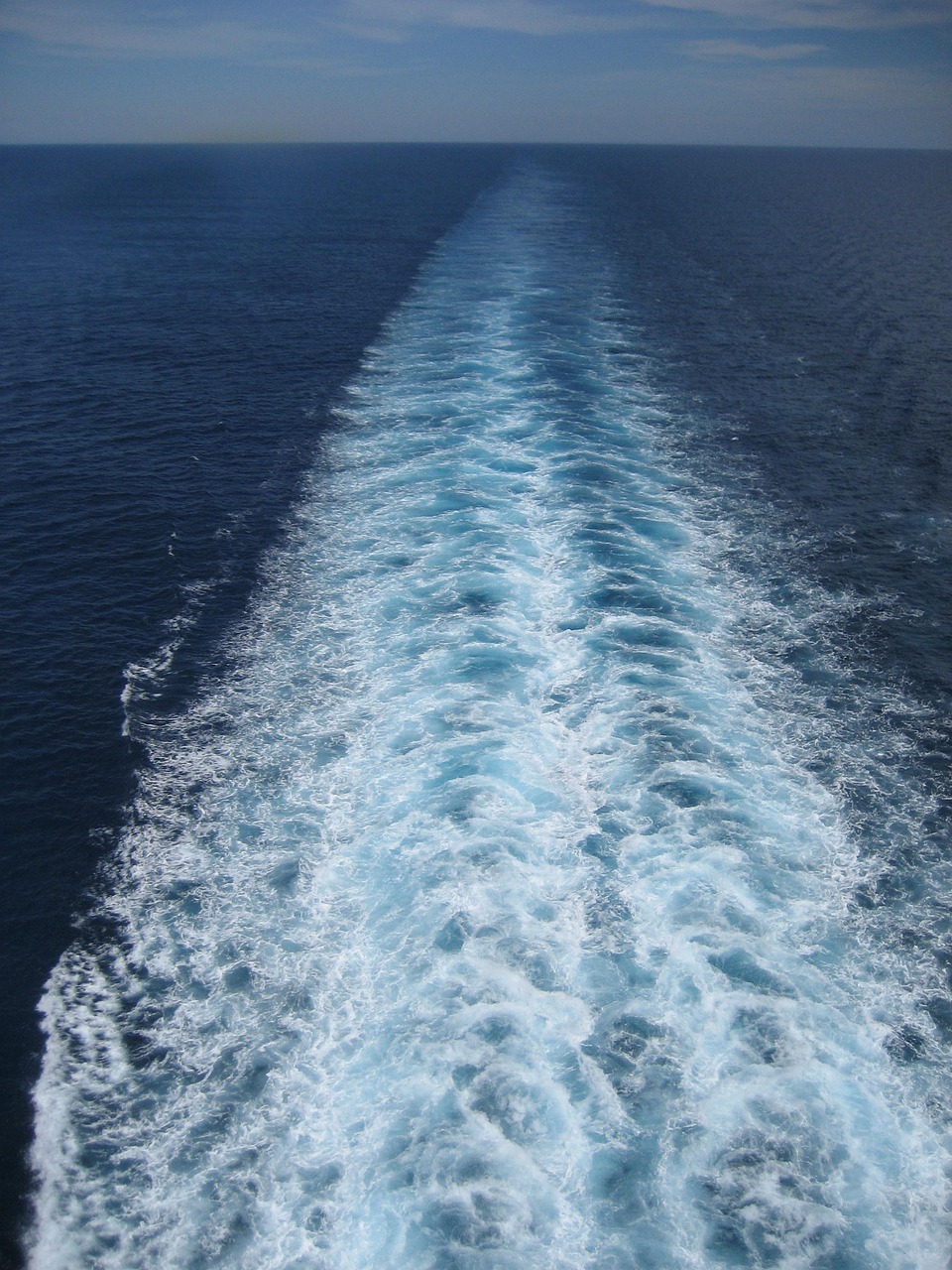
The selection and design of the propulsion system is critical for achieving the desired speed and maneuverability.
Propulsion System
The ship's structure must be designed to withstand various loads and stresses, including those from waves, cargo, and machinery.

Structure
Ship design encompasses the design of various systems, including electrical, mechanical, and safety systems.

Systems
The ship's design must consider its intended use, such as cargo type, service speed, and operating environment.
Operational Requirements
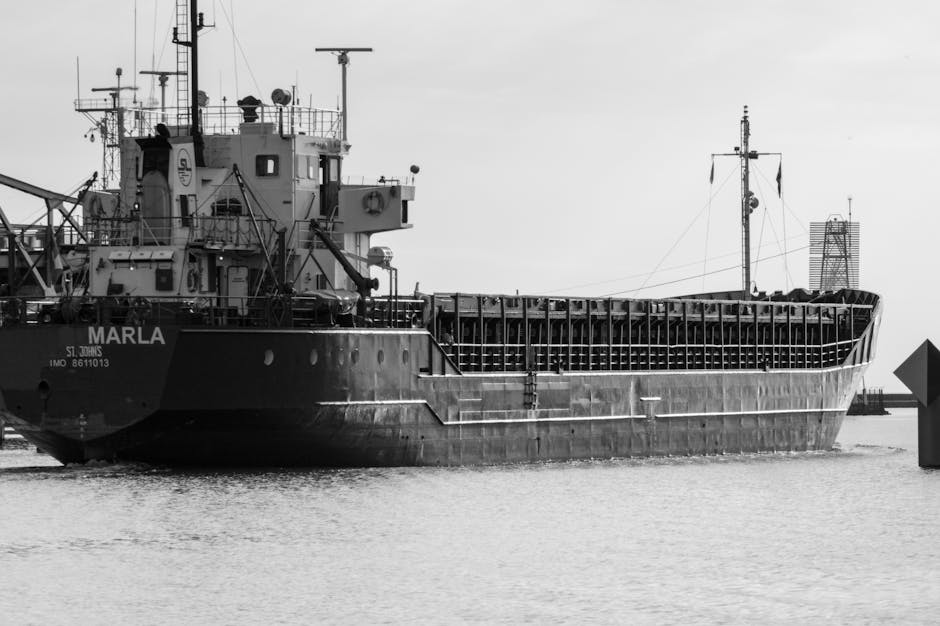
Ship design must comply with international regulations and safety standards.
Regulations and Safety
CFD is used to simulate fluid flow around the hull, optimizing its shape for minimal resistance and maximum performance.

Computational Fluid Dynamics (CFD)
FEA is used to analyze the structural integrity of the ship, ensuring it can withstand various loads.
Finite Element Analysis (FEA)
Testing physical models of the ship in towing tanks is an essential part of the design process, validating the results of simulations and providing valuable insights.
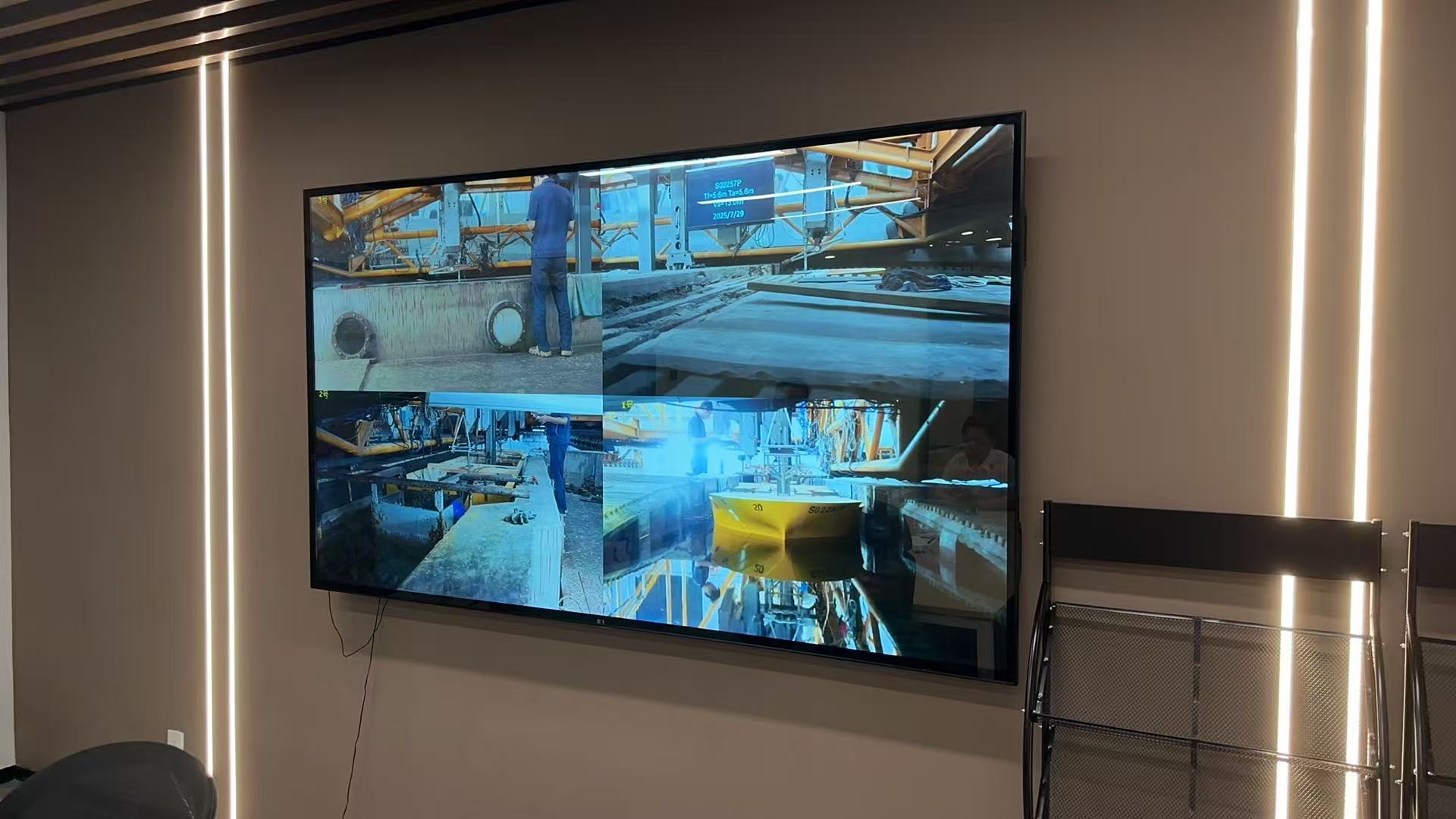
Model Testing
Advanced 3D modeling software allows designers to create detailed visualizations of the ship, aiding in the design process and enabling better communication with stakeholders.
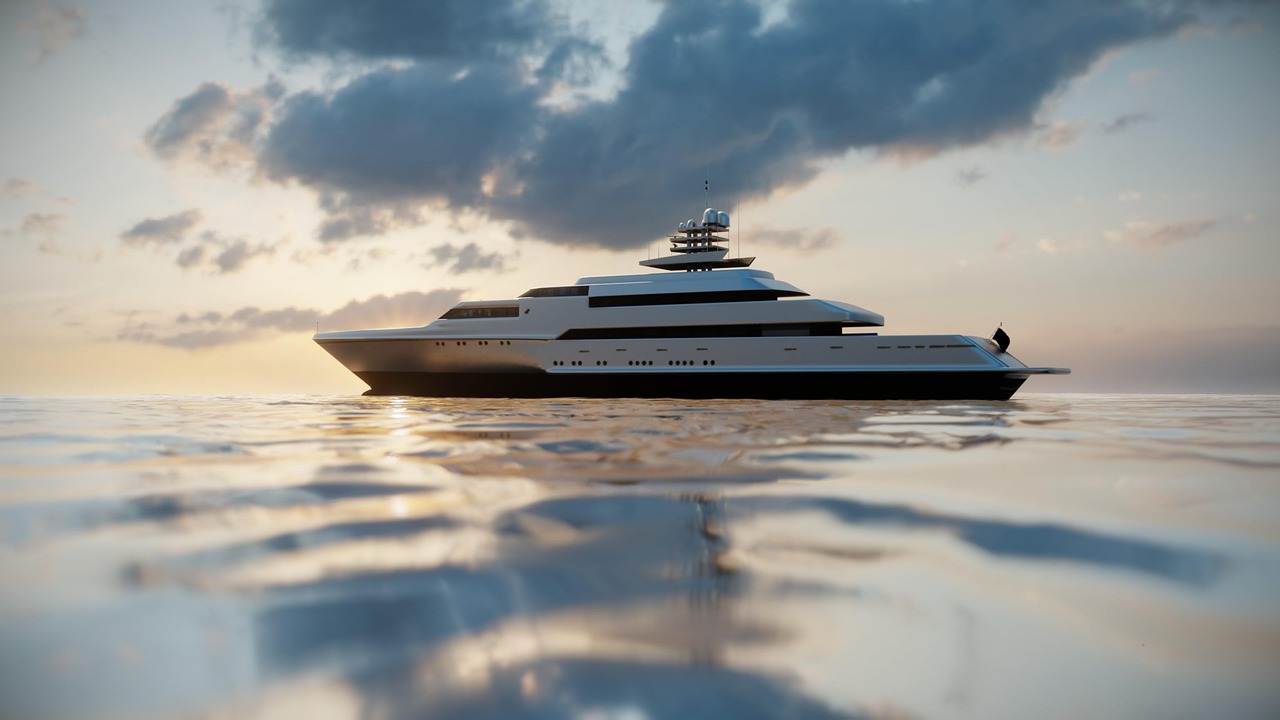
3D Modeling and Visualization