
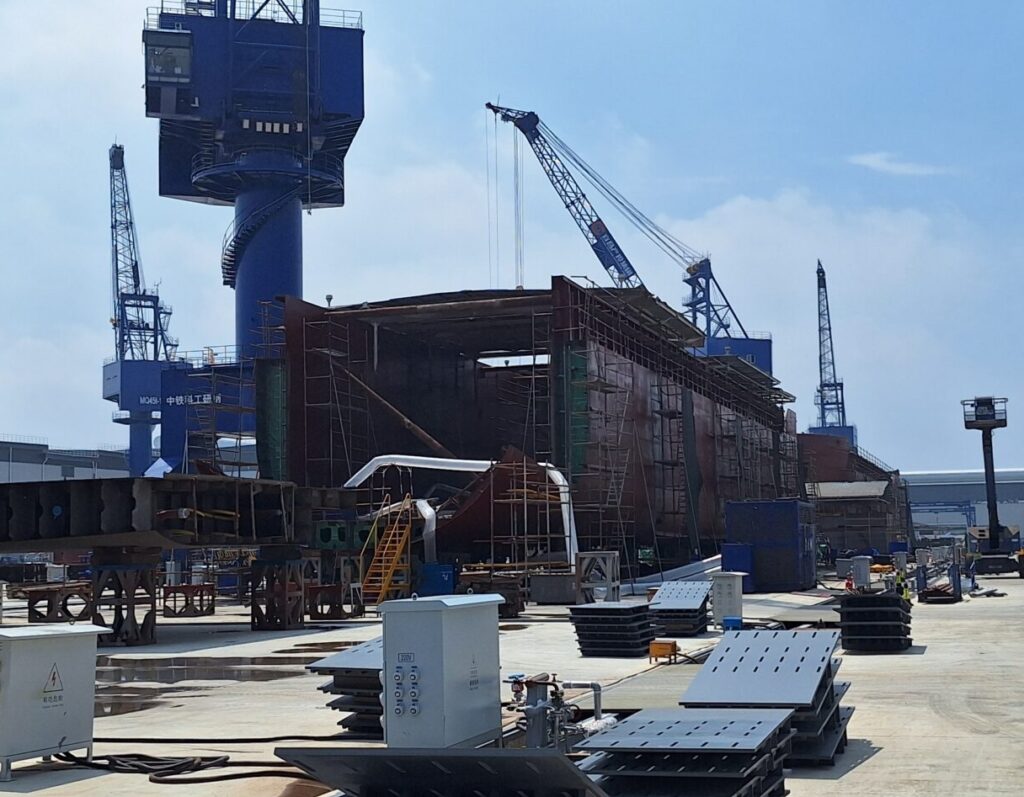
This involves creating detailed plans for the ship's structure, systems, and equipment, taking into account factors like size, type, and intended use.

Design and Engineering
This phase involves the actual building of the ship's hull, superstructure, and other components, often using steel or other materials.
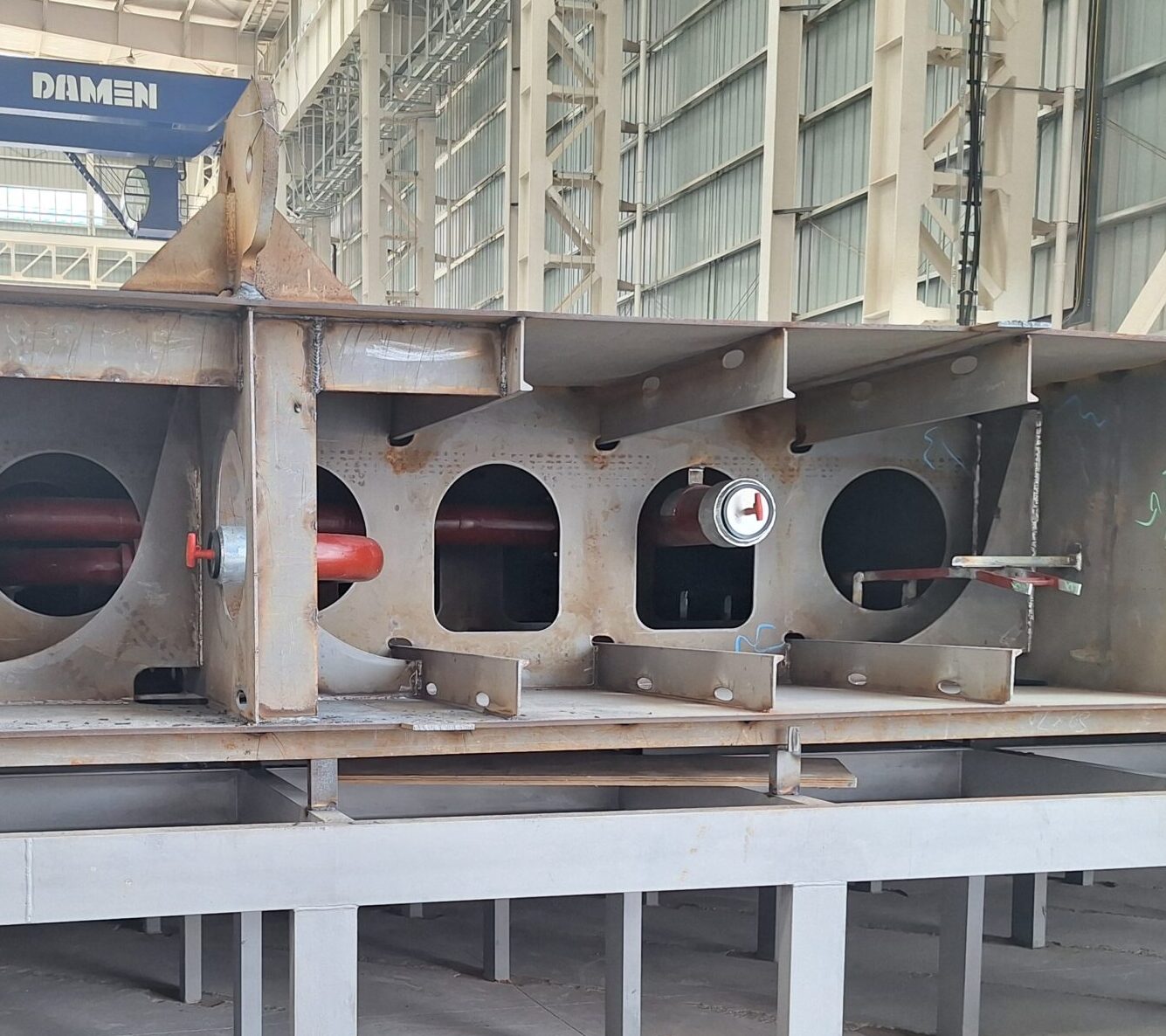
Construction
This stage includes installing machinery, equipment, and systems like engines, navigation equipment, and communication systems.
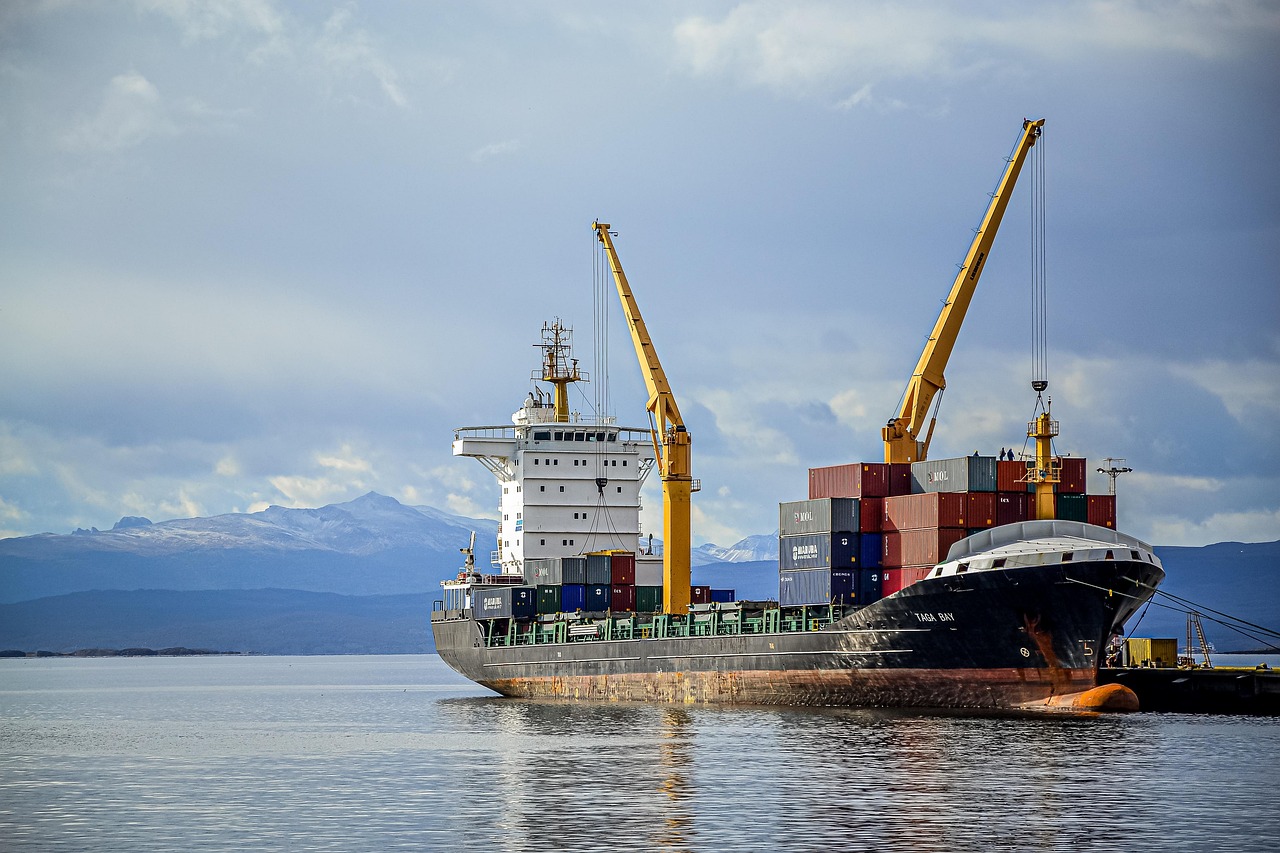
Outfitting
Effective project management and supervision are crucial throughout the building process to ensure quality, adherence to specifications, and timely delivery.
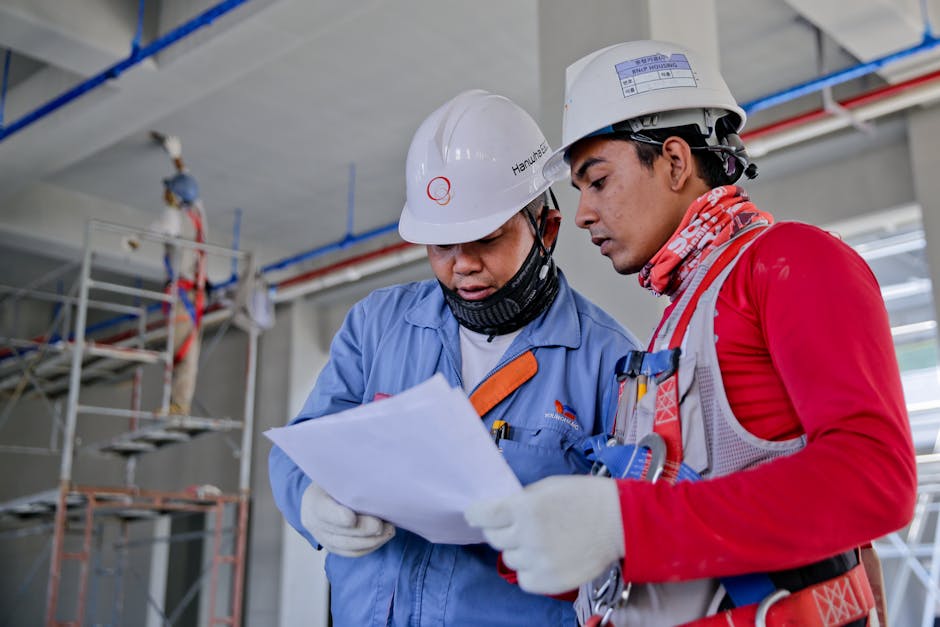
Supervision
Newbuild ships need to be classified by a recognized classification society (like DNV, Bureau Veritas, or RINA) to ensure they meet safety and performance standards, according to marine and offshore websites.

Classification
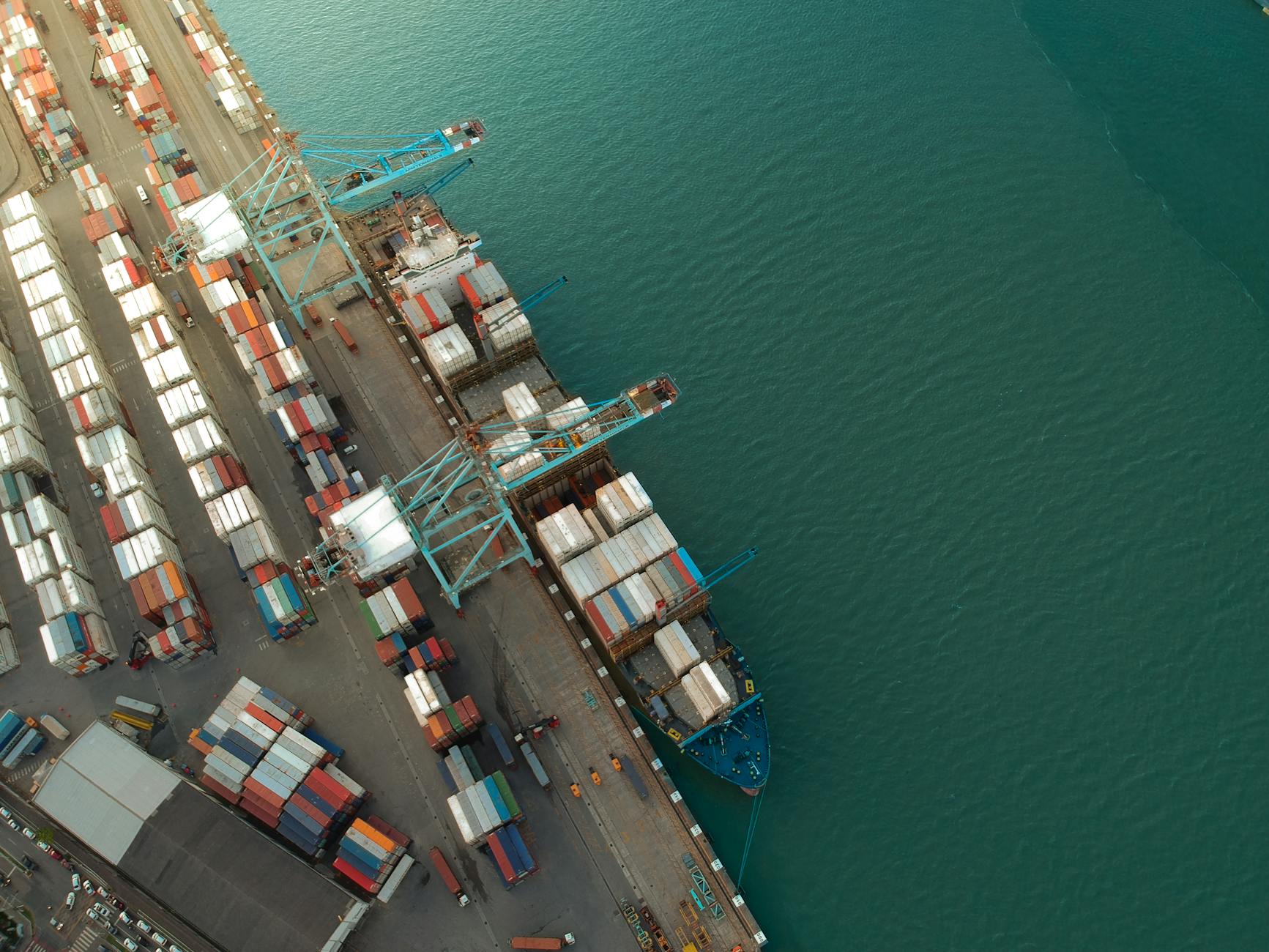
Ship new building must comply with international and national regulations related to safety, environmental protection, and other aspects.
Regulatory Compliance
Ship new building is increasingly focused on designing and building vessels that are more fuel-efficient, with lower emissions and better performance.
Focus on Efficiency and Sustainability
Shipyards are incorporating new technologies, such as digital tools, advanced materials, and alternative fuels, to improve construction processes and vessel performance.

Adoption of New Technologies
Newbuild ships must meet increasingly strict regulations related to emissions, energy efficiency, and other aspects.

Meeting Stringent Regulations:
Shipowners and shipyards are looking to build vessels that are adaptable to future technological advancements and regulatory changes.

Future-Proofing:
Building a new ship involves significant upfront investment.

High Costs
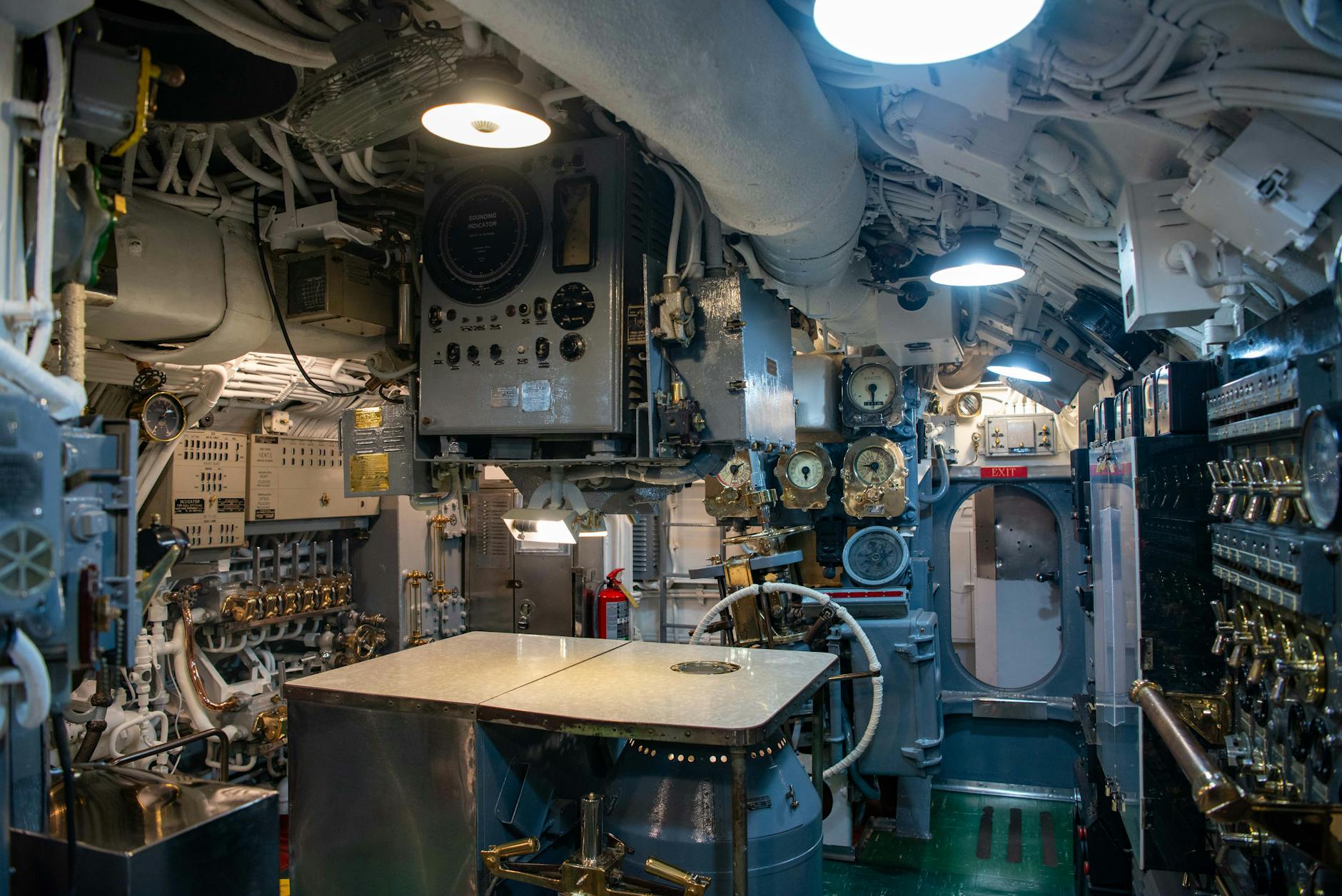
Ship construction is a complex process requiring specialized expertise and coordination.
Technical Complexity
Evolving regulations can create challenges for shipowners and shipyards.
Regulatory Uncertainty
The transition to alternative fuels and the need for bunkering infrastructure pose challenges for newbuild projects.
Fuel Transition