

A primary function is to finance the purchase of new or used ships, which is a significant capital expenditure for shipping enterprises.
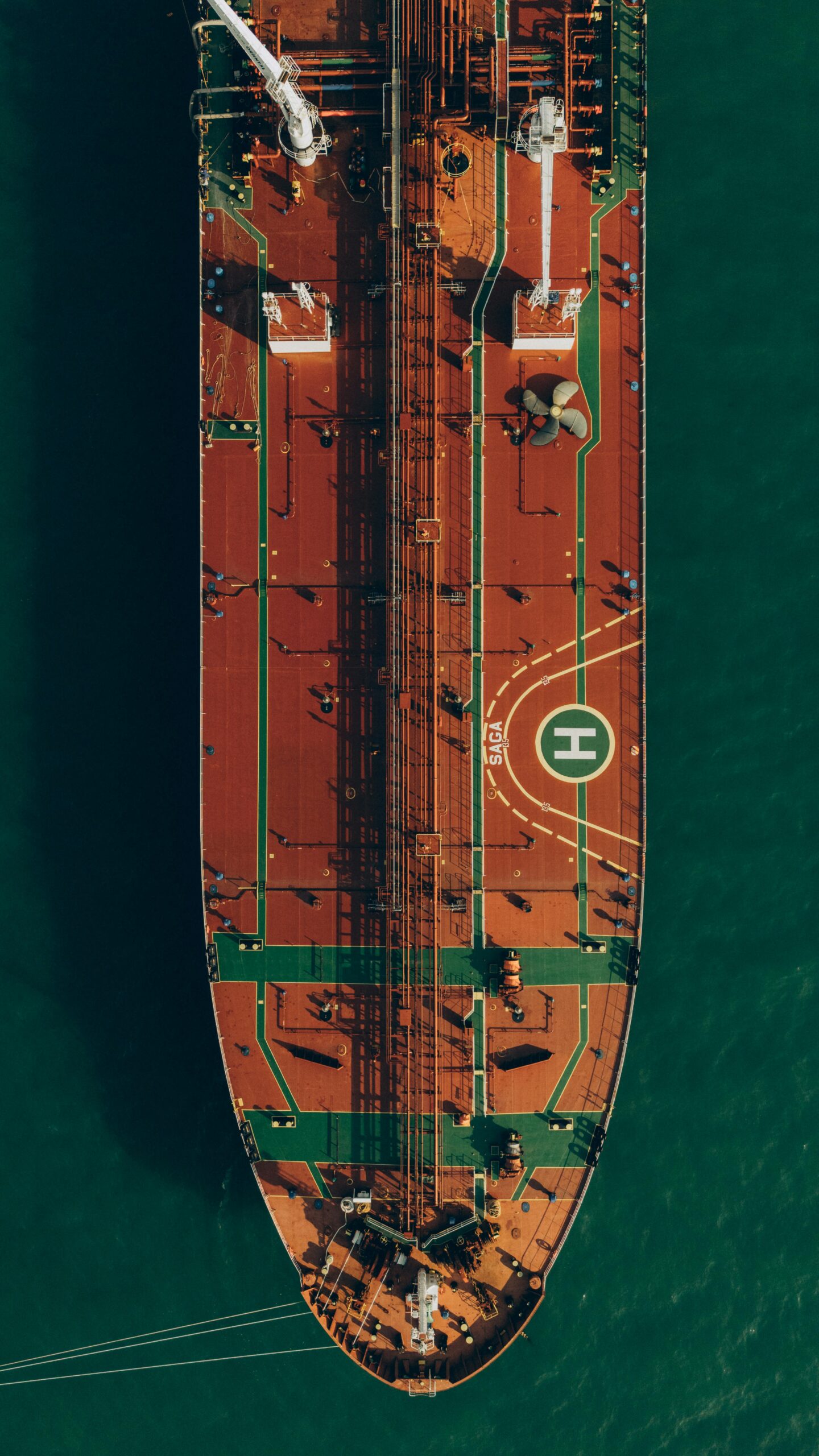
Vessel Acquisition
This involves providing funds for the construction of new vessels at shipyards, often with staged payments tied to construction milestones.
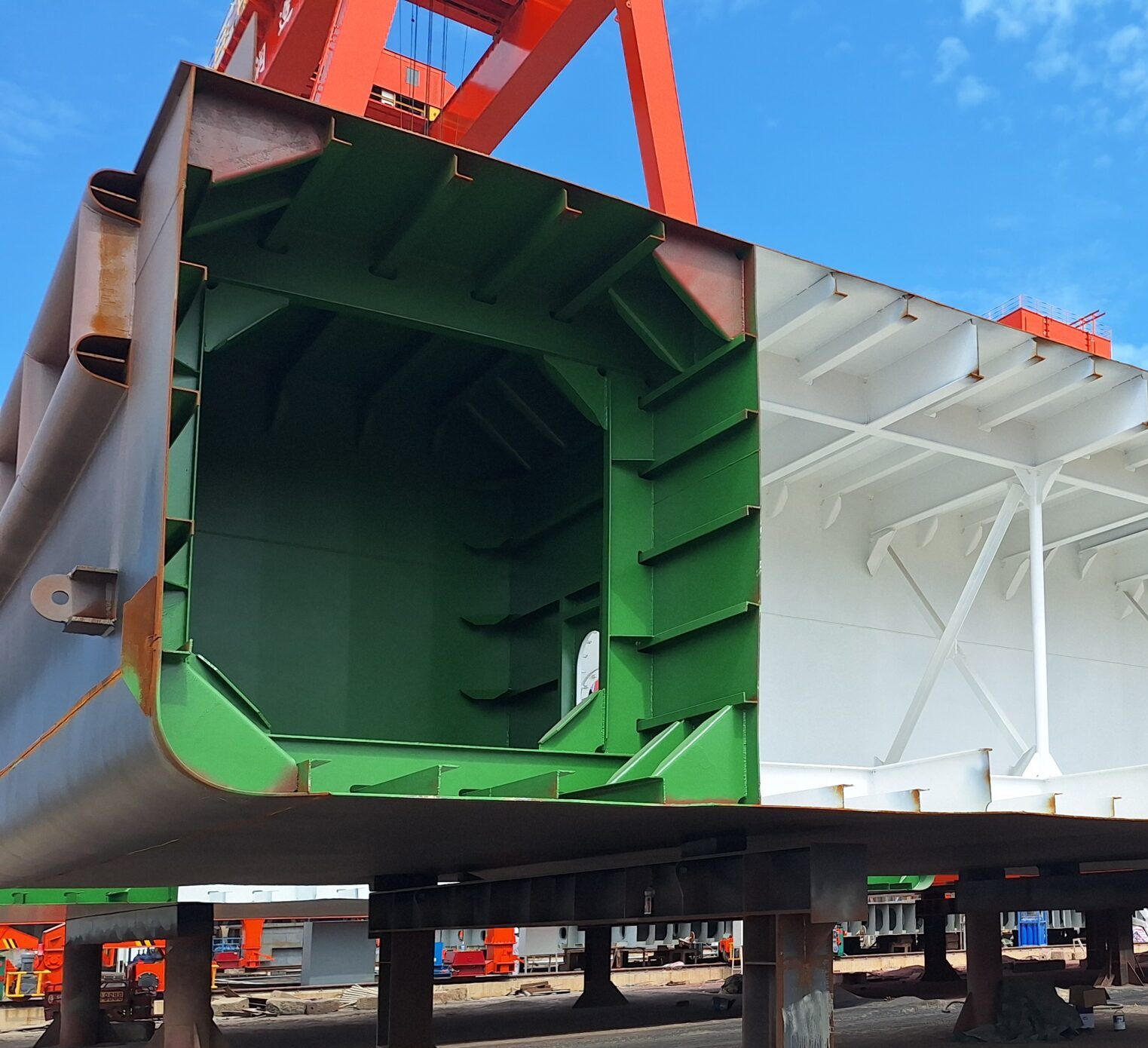
Construction Finance
Shipping finance also extends to providing short-term and long-term funds for operations, repairs, and maintenance of ships.

Working Capital
Shipping finance is inherently international, with transactions often involving multiple jurisdictions and currencies.

International Nature
Lenders typically secure their loans with a mortgage on the vessel and potentially other assets, like charter contracts.

Security
Commercial banks are major players, offering loans secured by ship mortgages.

Traditional Bank Lending
Leasing arrangements can be structured to offer tax advantages and can be an alternative to direct loans.

Leasing
This involves selling a vessel and then leasing it back, which can free up capital for other uses.

Sale and Leaseback
Government-backed agencies can provide financing or guarantees for shipbuilding in their respective countries.
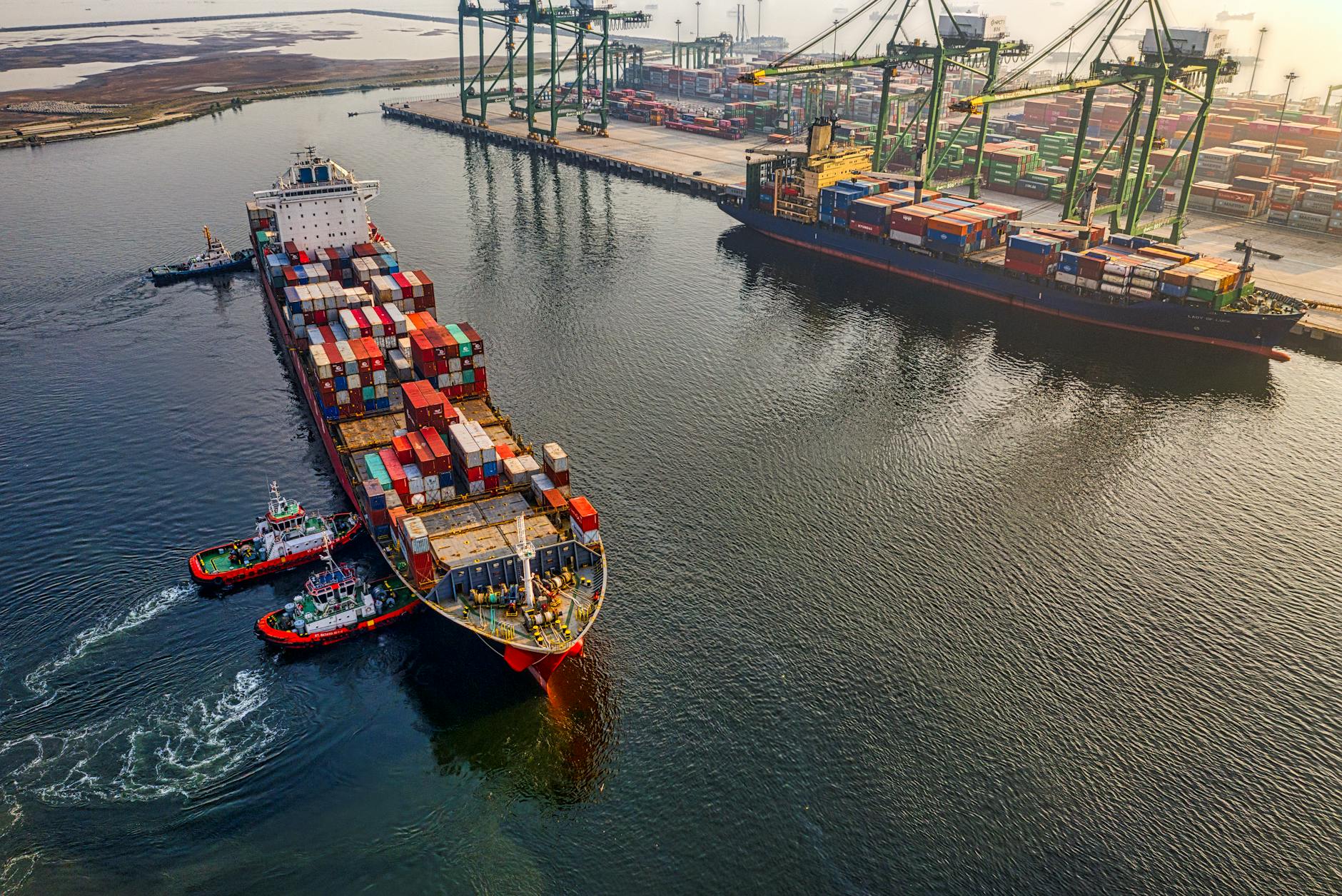
Export Credit Agencies
Shipping companies may raise capital through Initial Public Offerings (IPOs) or bond issues.

Capital Markets
The shipping market is subject to significant fluctuations in freight rates and vessel values, which impacts the risk assessment for lenders.

Volatility
International regulations, such as those related to emissions and safety, can affect the type and cost of financing available.

Regulation
The shift towards cleaner fuels and technologies is creating new financing needs for upgrading fleets and adopting alternative fuels.

Energy Transition